
Leave the house without chewed doors and furniture.
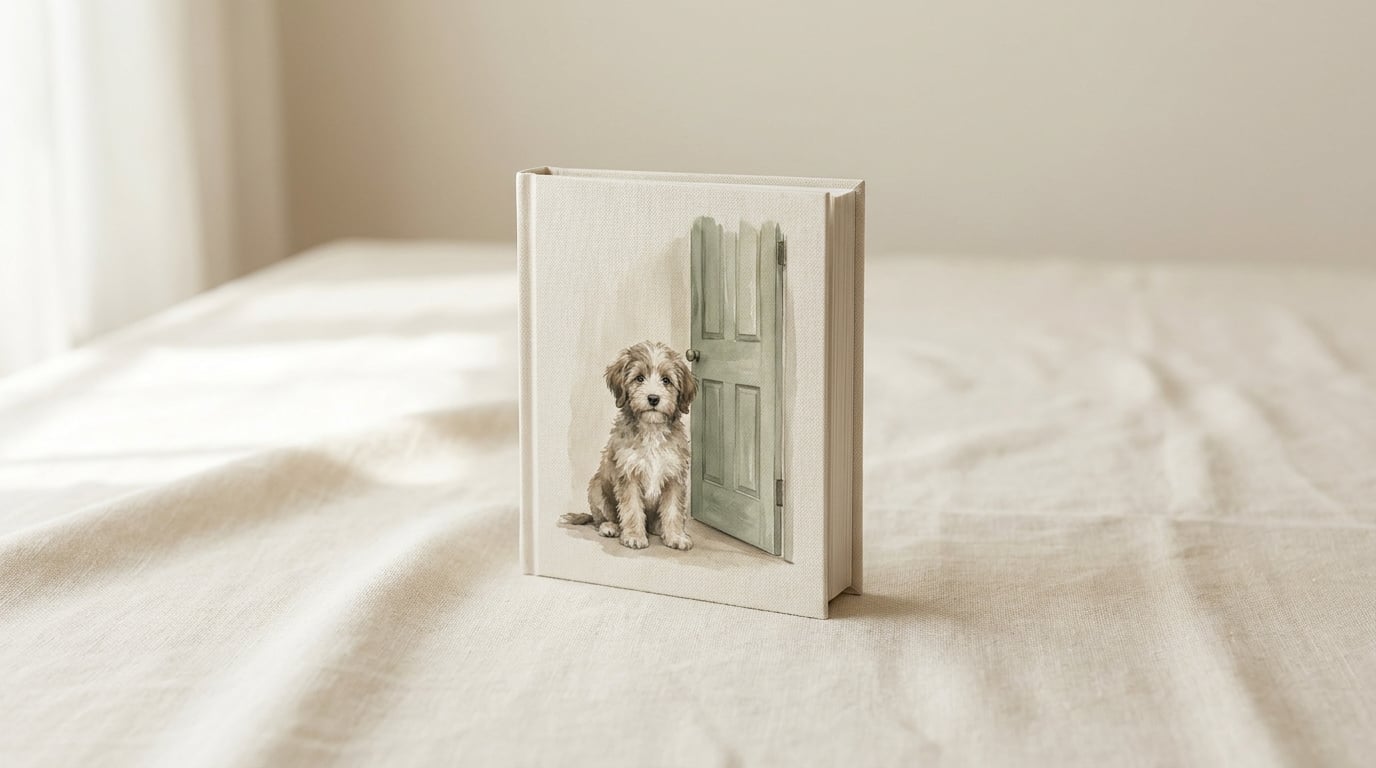
A seven-chapter plan for puppy owners who keep coming home to damage. Read it, follow it, and stop guessing.
$68.00 USD · one-time · Instant Access
- Digital Download
- Instant Access
- Read Anywhere
Does this sound familiar?
You are not looking for another pep talk. You need a way to leave that does not end with a chewed door.
- You close the door and picture the frame getting chewed.
- You skip errands because the last absence ended in splinters.
- You have tried more toys, more walks, more cameras, and it still happens.
- You feel guilty leaving, then angry when you return.
- You do not know if this is boredom, panic, or a habit you accidentally trained.
Chewing during absences is often about the leaving, not “bad.”
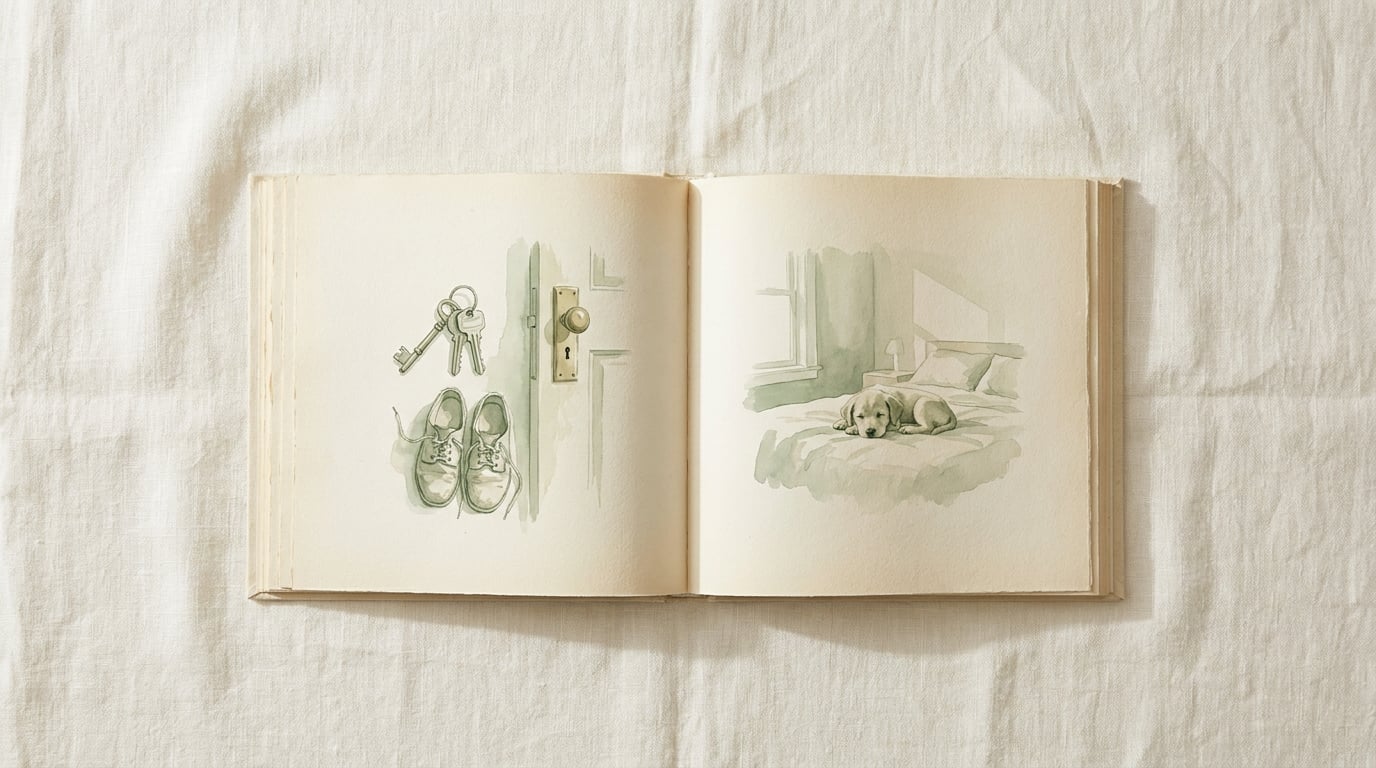
Keys, shoes, and goodbyes can become the signal that you are gone. If the puppy can still reach the door and the furniture, the house pays for every failed rep.
Leaving already started
Bags, keys, and the way you say goodbye can spike stress before the door even closes.
The house is available
If the frame, trim, and sofa are in reach, chewing gets practiced. Training cannot outrun that.
The absence is too big
A workday is not a first step. Time away has to be a length they can pass, then grown on purpose.
Start reading today.
You will learn how to tell if the chewing is about being left, how to protect the house while you train, and how to lengthen time away in steps your puppy can actually pass.
The ebook is a written sequence. You do not jump to a workday until the short absences are calm. After you pay, you open Files on your Northlane membership and read at your own pace.
A written plan you can follow in order.
Each chapter is a decision, a setup, or a practice step. You apply it to the dog in front of you.
Is This Chewing About Being Left?
Decide if the damage is about departure, or a different problem, before you train longer absences. You stop treating every chewed table leg as the same issue.
The Departure Cue Audit
List every cue that means you are leaving. Change what keys, shoes, bags, and goodbyes predict, so leaving stops being a surprise spike.
Protect the House First
Stop the puppy from reaching doors, trim, and furniture while you build clean reps. You cannot train over a house that is still available to destroy.
The Calm-Room Setup
Build a boring, safe space they can settle in, taught while you are still home. The room is a skill, not a last-minute lockup on a work morning.
Absence Practice You Can Pass
Leave for lengths they can succeed at. A pass is an intact house. A fail means the step was too big, not that the puppy failed you.
The Absence Ladder
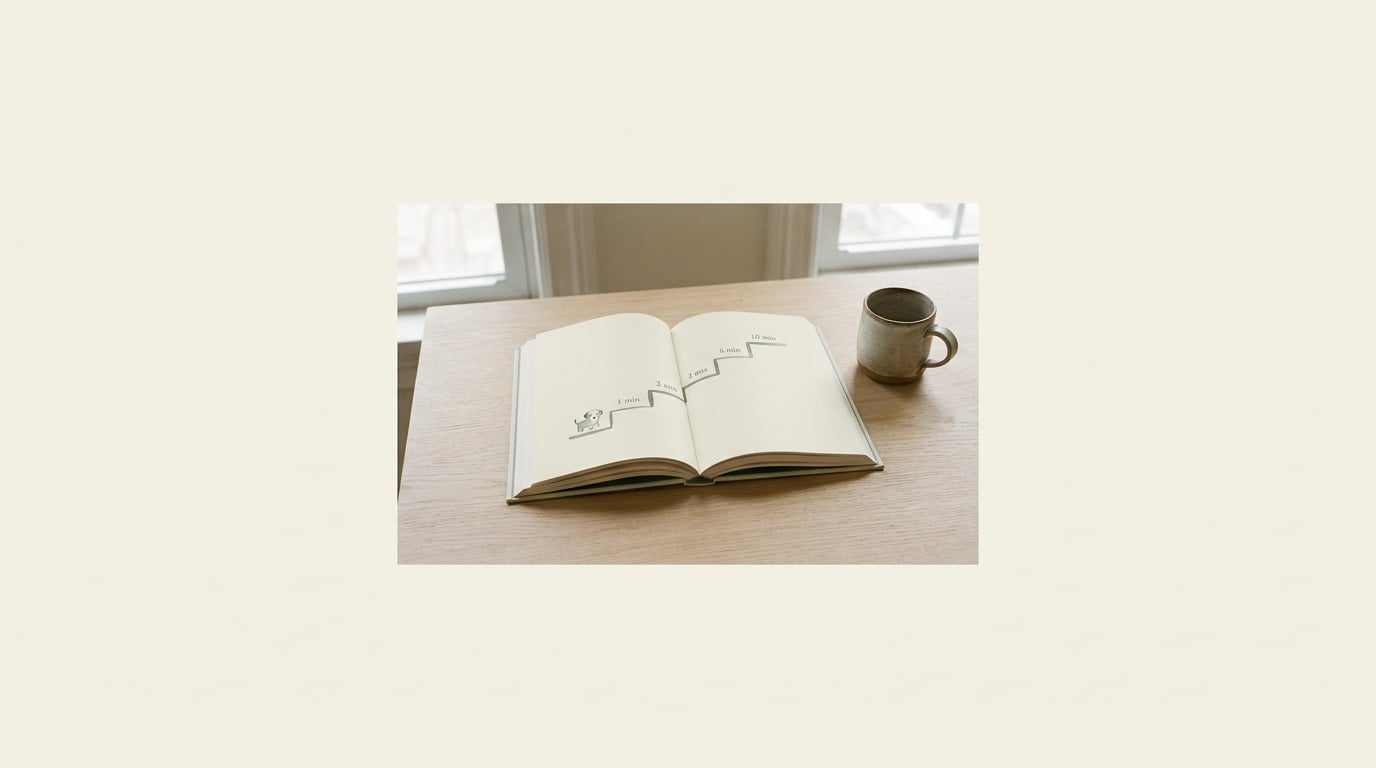
Add time only after passes. Climb from seconds to the absences you actually need, instead of testing a full workday on hope.
When Progress Changes Shape
Read slips early, recover after a bad day, and keep the plan when the schedule changes. Progress is not a straight line, and the ebook tells you what to do next.
From guessing to a plan you can repeat.
- 01
Confused
You come home to damage and guess.
- 02
Understand
You can tell if chewing is about being left.
- 03
Follow the Plan
You protect the house and run passable reps.
- 04
Better Habits
Short absences stay calm more often.
- 05
More Confident
Leaving for real life feels possible.
Built for chewed doors, not vague “alone time.”
Written for this chewing problem
Not a generic crate lecture. The chapters follow the path from “is this about being left?” to an absence ladder you can actually climb.
Protect the house first
You stop rehearsing damage while you train. Doors, trim, and furniture are not left available as practice toys.
Pass or fail, not hope
A pass is an intact house. A fail means the step was too big. You do not wait for a workday to find out.
No punishment script
No cry-it-out as the plan. You change cues, set the room, and lengthen time in steps the puppy can handle.
See the kind of pages you will work from.
Departure cues on one spread. The absence ladder on the next. You read, then you run the next passable step.
Who this is for, and who should skip it.
No fake reviews here. Use this to decide if the ebook matches the problem in your house.
- New puppy owners who come home to chewed doors or furniture
- People who still need errands, work, and appointments
- Owners who want a written plan, not a live weekly call
- Households ready to protect the house while they train
- Anyone looking for a punishment script
- Owners who want live coaching inside this purchase
- Dogs with an unchecked medical cause for chewing
- People hoping one long absence will “get them used to it”
Straight answers.
30-day money-back guarantee. If the ebook does not give you a workable way to leave the house, we refund the purchase.
What do I get?
A seven-chapter digital ebook: Leave Your Puppy Calmly without Chewed Furniture. One payment. No subscription.
How do I get the ebook after I pay?
Checkout unlocks it on your Northlane membership. Open Files and start reading. You can return any time.
Is this live coaching?
No. This is a written ebook. There is no live call inside the purchase.
They already destroy the door. Too late?
No. Start by deciding if the chewing is about being left, protect the house so the frame is not available, then lengthen time away in steps the dog can handle.
When do I get access?
Right after checkout. Digital download, instant access, read on the devices you already use.
One payment. Instant access. No subscription.
$68.00 USD. After checkout, open Files on your membership and start Chapter 1.
$68.00
USD · one-time · digital ebook
Access and refunds
This is a digital ebook. Access is instant after checkout. If something is wrong with your purchase or you cannot open Files, use the support chat on your Whop membership and we will sort it.